
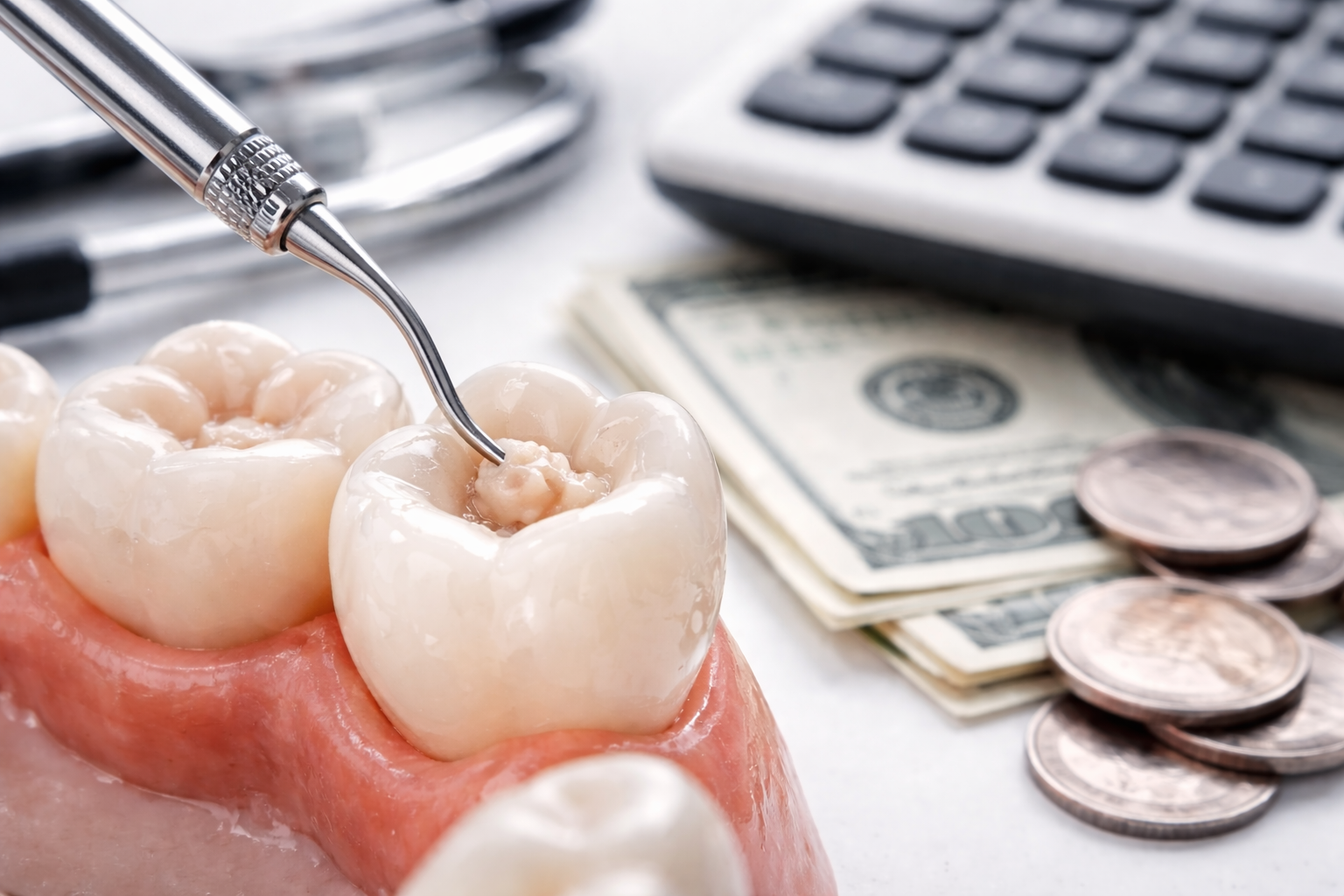
How Much Does It Cost to Fix a Cavity in Chattanooga?
Dr. Zack Youngblood
Cavities are one of the most common dental concerns affecting patients of all ages. When decay develops, one of the first questions people ask is how much treatment will cost. While the answer varies depending on clinical factors and insurance coverage, understanding the typical pricing landscape can help patients plan confidently.
This guide explains what influences the cost of cavity treatment, what patients in Chattanooga and surrounding communities can expect to pay, and why early treatment often leads to simpler and more affordable care.
What Is a Cavity?
A cavity forms when bacteria in the mouth produce acids that break down tooth enamel. Over time, this damage creates a small hole or weakened area in the tooth structure. If left untreated, decay can progress deeper into the tooth, potentially requiring more extensive restorative procedures.
Early-stage cavities are typically treated with fillings that restore strength and function to the tooth while stopping further deterioration.
Average Cost to Fix a Cavity
In Chattanooga and surrounding areas, the cost of treating a cavity depends on multiple variables including insurance benefits, restoration size, and the type of material used.
For practices placing modern composite restorations:
- Patients participating in a membership plan often pay around $200 per filling
- Patients using dental insurance commonly pay between $15 and $75 out of pocket
- Fees may vary depending on complexity, tooth location, and treatment time
These ranges reflect common regional expectations but are not universal, as each patient’s clinical needs and benefit structure differ.
Why Composite Fillings Are Commonly Used
Tooth-colored composite restorations are widely used in contemporary dentistry because they restore both function and appearance. These materials bond directly to tooth structure and are designed to blend naturally with surrounding enamel.
Advantages include:
- Natural aesthetics that match tooth shade
- Conservative preparation preserving healthy structure
- Strong bonding to remaining enamel
- Support for long-term smile appearance
Because composite fillings prioritize both durability and visual harmony, they are often selected when restoring decayed teeth.
Factors That Influence the Cost of Cavity Treatment
Pricing for cavity treatment is not fixed and can shift based on several clinical and administrative considerations.
Size and depth of decay
Larger cavities require additional material and chair time, which increases cost.
Tooth location
Molars experience greater bite force and can require more complex restoration techniques.
Insurance coverage
Deductibles, annual maximums, and coverage percentages affect out-of-pocket expenses.
Timing of treatment
Early intervention typically results in simpler restorations, while delayed care may lead to crowns or root canal therapy.
Diagnostic needs
Radiographs and examinations help determine extent of decay and may be part of the overall treatment process.
Understanding these variables allows patients to see why cost estimates often require an in-person evaluation.
Book your New Patient Exam Now!
Give us a call at (423) 375-4111
Why Early Treatment Matters Financially
Treating cavities promptly is one of the most reliable ways to manage dental costs. When decay progresses, treatment options may shift from a filling to more involved restorative care.
Delaying care may increase the likelihood of:
- Larger restorations
- Tooth fracture
- Infection or nerve involvement
- Crown or root canal procedures
From both a health and financial standpoint, early detection tends to preserve tooth structure and reduce overall treatment complexity.
Cost Transparency and Patient Planning
Financial clarity is an important part of modern dental care. Many patients plan treatment around:
- Insurance benefit timelines
- Flexible payment options
- Membership program savings
- Preventive scheduling
Having a clear understanding of expected ranges allows patients to approach restorative care with confidence rather than uncertainty.
Frequently Asked Questions About Cavity Costs
How much does it cost to fix a cavity without insurance?
Costs vary based on restoration size and material, but tooth-colored fillings in many markets typically fall within the low hundreds of dollars per tooth. Exact fees depend on clinical findings and regional pricing structures.
How much does insurance usually cover for a filling?
Most dental insurance plans cover a portion of basic restorative procedures. Patients often pay a reduced out-of-pocket amount after coverage is applied, commonly within a modest range depending on deductibles and annual benefits.
Can a cavity go away on its own?
Once decay creates structural damage to enamel, it cannot reverse independently. Early mineral loss can sometimes be stabilized, but established cavities require restorative treatment.
Why do filling costs vary between teeth?
Back teeth endure heavier chewing forces and frequently involve larger surface areas, which can increase complexity and treatment time compared to smaller anterior restorations.
Is treating a cavity early really cheaper?
Yes. Early-stage cavities typically require straightforward restorations, while delayed care can result in more extensive procedures that increase overall cost and treatment time.
How long do composite fillings last?
Longevity depends on oral hygiene, bite forces, and diet, but modern composite restorations commonly provide years of functional service when maintained properly.
Do cavities always hurt?
Not necessarily. Many cavities develop without noticeable symptoms, which is why routine dental evaluations are important for early detection.
Final Thoughts
Understanding cavity treatment costs involves more than looking at a single number. Clinical complexity, materials, insurance coverage, and timing all influence what patients ultimately pay. For individuals in Chattanooga and surrounding communities, being informed about these factors helps support proactive decisions that protect both oral health and financial planning.
Routine monitoring and timely restorative care remain among the most effective strategies for preserving natural teeth and maintaining predictable treatment outcomes.
