
The Complete Guide to Porcelain Veneers in Chattanooga, TN: Everything You Need to Know Before Transforming Your Smile
Dr. Zack Youngblood
If you're thinking about porcelain veneers, you've probably already spent hours researching online. Maybe you've looked at before-and-after photos on Instagram, watched smile makeover videos on TikTok, or searched Google trying to answer one simple question:
"Are porcelain veneers right for me?"
Unfortunately, most websites only answer one or two questions before asking you to schedule an appointment.
As a cosmetic dentist in Chattanooga, I hear many of the same questions every week:
- Will veneers ruin my teeth?
- How much do veneers cost?
- Do veneers look fake?
- How long do veneers last?
- Can I still drink coffee?
- What happens if I grind my teeth?
- Are veneers painful?
- How many veneers do I actually need?
The truth is that porcelain veneers are one of the most predictable and life-changing treatments in cosmetic dentistry, but they're also one of the most misunderstood.
That's exactly why I created this guide.
My goal is simple: to answer the same questions I answer for patients every day at MDRN MUSE Dental Aesthetics. Whether you're just beginning your research or you're seriously considering transforming your smile, I hope this resource gives you the confidence to make an informed decision.
Table of Contents
- Porcelain Veneers Basics
- Smile Design & Appearance
- Veneer Cost & Financing
- The Veneer Procedure
- Living With Veneers
- Longevity & Maintenance
- Veneers vs. Other Cosmetic Treatments
Porcelain Veneers Basics
What Are Porcelain Veneers?
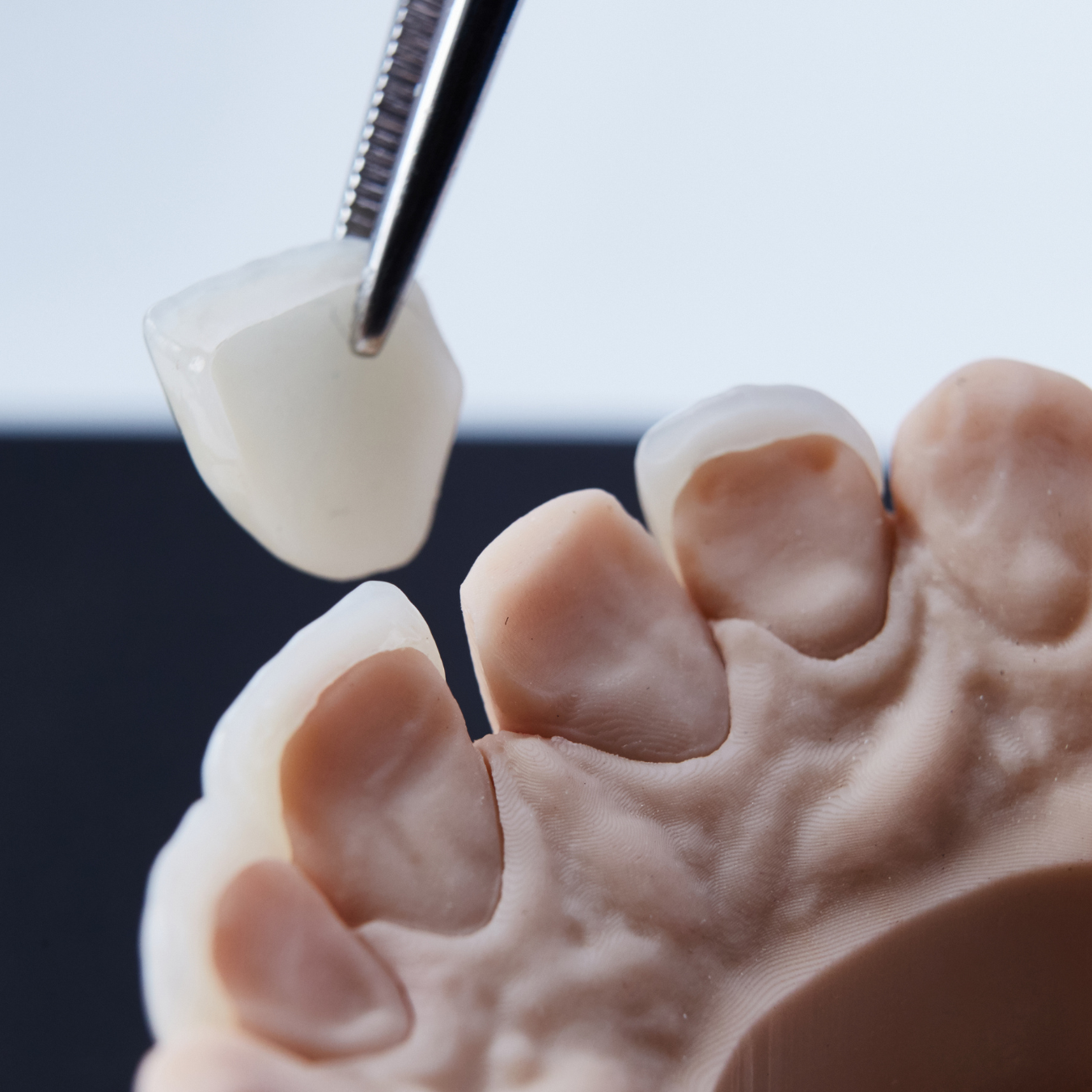
Porcelain veneers are ultra-thin custom-made shells of high-strength ceramic that are permanently bonded to the front surfaces of your teeth to improve the appearance of your smile.
Think of them as custom-designed facades for your teeth. They aren't removable like dentures or temporary snap-on veneers you may see advertised online. Every veneer is individually designed to complement your facial features, smile, bite, and cosmetic goals.
Modern dental porcelain closely mimics natural enamel because it reflects and transmits light in a similar way. This translucency is one of the biggest reasons today's porcelain veneers can look so incredibly natural.
Each veneer is handcrafted to improve one or more aspects of your smile, including:
- Tooth color
- Tooth shape
- Tooth size
- Tooth length
- Chipped teeth
- Worn teeth
- Small gaps
- Mild crowding
- Uneven edges
- Smile symmetry
When designed correctly, veneers don't simply make teeth whiter. They create balance throughout your entire smile.
What Problems Can Porcelain Veneers Fix?
One of the biggest misconceptions about veneers is that they're only used to create bright "Hollywood smiles."
In reality, porcelain veneers are one of the most versatile cosmetic dental treatments available.
They can improve:
Discolored Teeth
Some stains simply cannot be removed with professional whitening.
Teeth that have darkened because of trauma, medications, fluorosis, aging, or previous root canal treatment often respond poorly to bleaching. Veneers permanently cover those discolorations while creating a brighter, healthier-looking smile.
Chipped Teeth
Even a small chip can draw attention every time you smile.
Porcelain veneers restore the original shape of the tooth while creating a seamless, natural appearance.
Worn Teeth
Years of grinding, clenching, or acidic wear can shorten teeth considerably.
Restoring that lost length often creates one of the most dramatic smile transformations because it improves both the appearance of the teeth and the overall proportions of the face.
Gaps Between Teeth
Not every patient with spacing wants orthodontic treatment.
When appropriate, veneers can close small gaps while maintaining beautiful tooth proportions.
Mild Crooked Teeth
Porcelain veneers are sometimes called "instant orthodontics."
Although they don't physically move teeth, they can create the appearance of straighter teeth by reshaping what you see.
For patients with more significant crowding or bite concerns, Invisalign is often the healthier long-term solution. One of the goals of your consultation is determining which option is truly best for your smile.
Small or Uneven Teeth
Some people naturally have teeth that are undersized or uneven because of genetics or wear.
Veneers can improve proportions while creating a more harmonious smile.
Who Is a Good Candidate for Porcelain Veneers?
One of the most important things I explain during cosmetic consultations is that beautiful veneers begin with healthy teeth.
The best candidates typically have:
- Healthy gums
- Good oral hygiene
- Little or no active tooth decay
- Adequate enamel for bonding
- Realistic expectations
- A desire to improve the appearance of their smile
The ideal veneer patient is someone looking for a long-term cosmetic solution rather than a temporary fix.
Whether your goal is subtle refinement or a complete smile makeover, veneers often provide results that simply aren't possible with whitening or bonding alone.
Who Is Not a Good Candidate for Veneers?
Sometimes the best treatment recommendation is saying not yet.
You may not be an ideal candidate if you currently have:
- Active gum disease
- Untreated cavities
- Poor oral hygiene
- Severe teeth grinding that isn't being managed
- Significant bite problems
- Very little remaining enamel
- Unrealistic expectations
In many cases, another treatment should come first.
Some patients benefit from Invisalign before veneers.
Others only need professional whitening.
Some achieve beautiful results with cosmetic bonding.
Great cosmetic dentistry isn't about placing veneers on everyone. It's about recommending the treatment that's healthiest and most appropriate for each individual patient.
Are Porcelain Veneers Permanent?
Yes...and no.
The porcelain itself is designed to last many years, but traditional veneers are considered a permanent treatment because a small amount of enamel is usually removed before they're bonded to the teeth.
Once that preparation is completed, the tooth will always require some type of restoration moving forward.
Fortunately, modern cosmetic dentistry is much more conservative than it was years ago.
My philosophy at MDRN MUSE Dental Aesthetics is to preserve as much healthy enamel as possible while still creating a beautiful, long-lasting result. Every treatment plan is designed with both aesthetics and long-term oral health in mind.
Book Your New Patient Experience - By Phone
Book Your New Patient Experience - Online
Check your in-network status with MDRN MUSE Dental Aesthetics
Smile Design & Appearance
Do Porcelain Veneers Look Fake?
This is probably the most common concern I hear.
Most patients don't want people to notice their veneers.
They simply want people to notice that they have a beautiful smile.
When veneers are thoughtfully designed, most people won't realize you've had cosmetic dentistry. They'll simply think you look healthier, happier, or more refreshed.
One of my favorite compliments that patients receive is:
"You look different... but I can't figure out what changed."
That's exactly what we're aiming for.
Great cosmetic dentistry shouldn't look like dentistry.
It should look like your best natural smile.
Can Porcelain Veneers Look Completely Natural?
Absolutely.
In fact, that's the entire goal.
Natural smiles aren't perfectly identical.
Real teeth have subtle differences in shape, texture, translucency, and light reflection.
When designing veneers, I pay close attention to:
- Tooth proportions
- Smile width
- Lip position
- Smile arc
- Facial symmetry
- Surface texture
- Light reflection
- Incisal translucency
- Bite function
These details may seem minor individually, but together they create the difference between a smile that looks "done" and one that simply looks beautiful.
How White Should My Veneers Be?
One of the most enjoyable parts of smile design is choosing the right shade.
Many patients initially request "the whitest teeth possible."
Interestingly, that's rarely what they choose by the end of the consultation.
The brightest shade isn't always the most attractive.
Instead, we consider:
- Skin tone
- Facial features
- Age
- Existing teeth
- Desired smile style
- Overall facial harmony
A smile that's too white can sometimes distract from your face.
The right shade creates a youthful, healthy appearance while still looking believable.
Can I Choose the Shape of My Veneers?
Absolutely.
The shape of your teeth is just as important as their color.
During smile planning, we'll discuss the overall look you're hoping to achieve.
Some patients prefer softer, rounded teeth.
Others like slightly squarer teeth with more defined edges.
Some want a youthful appearance.
Others prefer a refined, timeless smile.
There isn't one perfect design.
The perfect design is the one that fits you.
How Many Veneers Do I Need?
There isn't a magic number.
Some patients only need two veneers.
Others benefit from four, six, eight, ten, or more.
The answer depends on:
- Smile width
- Tooth visibility
- Existing discoloration
- Tooth alignment
- Cosmetic goals
One of the most common mistakes I see is treating too few teeth, which can create a visible transition between veneers and natural teeth.
During your consultation, we'll evaluate your smile and determine the number of veneers needed to create a seamless, balanced result.
What Happens During My Veneer Consultation?
A cosmetic consultation isn't about selling veneers.
It's about understanding your goals and determining whether veneers are truly the right solution.
Your consultation may include:
- A discussion about your smile goals
- Professional photography
- Digital 3D scans
- Digital X-rays, if needed
- A comprehensive oral examination
- Bite analysis
- Discussion of treatment options
- Personalized financial planning
Many patients are surprised to learn that veneers aren't always the best answer.
Sometimes Invisalign, whitening, cosmetic bonding, or a combination of treatments provides a healthier and more conservative solution.
Can I Preview My Smile Before Getting Veneers?
Yes.
One of the biggest advantages of modern cosmetic dentistry is the ability to preview your future smile before treatment begins.
Depending on your case, we may use digital smile design, diagnostic models, or a temporary smile mock-up to help visualize the final result.
This collaborative process allows you to provide feedback before your permanent veneers are fabricated, making the experience much more predictable and personalized.
How Long Does the Entire Veneer Process Take?
Most veneer cases are completed over several appointments across a few weeks.
Although every patient is different, the process typically includes:
- Consultation and smile planning
- Tooth preparation and temporary veneers
- Laboratory fabrication of your custom porcelain veneers
- Final bonding and smile delivery
Beautiful cosmetic dentistry takes time.
Every veneer is handcrafted specifically for your smile, and that level of customization is one of the reasons porcelain veneers can produce such life-changing results.
Book Your New Patient Experience - By Phone
Book Your New Patient Experience - Online
Check your in-network status with MDRN MUSE Dental Aesthetics
Veneer Cost & Financing
How Much Do Porcelain Veneers Cost?
This is usually one of the very first questions patients ask, and understandably so.
Porcelain veneers are an investment in your smile, your confidence, and your long-term appearance. Like any investment, the cost depends on several factors.
Across the United States, porcelain veneers typically range from $1,000 to $2,500 per tooth, although fees can vary depending on the dentist's experience, the quality of the dental laboratory, geographic location, and the complexity of the case.
At MDRN MUSE Dental Aesthetics, every smile is customized, so the cost of treatment depends on your individual needs rather than a one-size-fits-all approach.
Several factors influence the overall investment, including:
- The number of veneers needed
- Whether additional treatments such as whitening or Invisalign are recommended beforehand
- The complexity of your bite and smile design
- The type of porcelain used
- The dental laboratory fabricating your veneers
- Whether additional restorative work is needed before cosmetic treatment
One of the biggest misconceptions is that cosmetic dentistry is simply about making teeth look whiter.
In reality, a veneer case involves careful planning, artistic design, digital technology, precision preparation, laboratory craftsmanship, and meticulous bonding techniques.
Every step contributes to creating a smile that not only looks beautiful on the day it's delivered but continues to look beautiful for many years.
When patients ask me whether veneers are "worth it," I encourage them to think beyond the immediate cost.
Many people invest in:
- Luxury vehicles
- Home renovations
- Designer handbags
- Watches
- Vacations
Those purchases can certainly bring happiness, but very few of them change how you feel every single day.
Your smile is something you see in the mirror every morning. It's part of every conversation, every family photo, every job interview, every wedding, every vacation, and every important milestone throughout your life.
For many patients, improving their smile becomes one of the most meaningful investments they've ever made.
Is It Better to Get Four, Six, Eight, or Ten Veneers?
There isn't one correct answer.
The ideal number depends entirely on your smile.
One of the first things I evaluate during a consultation is how many teeth are visible when you naturally smile.
For someone with a narrow smile, six veneers may create a seamless result.
Someone with a broader smile may need eight or ten veneers so the transition between veneers and natural teeth isn't visible.
The goal isn't to place the most veneers.
The goal is to create a balanced smile.
Sometimes treating fewer teeth actually produces the best outcome.
Other times, adding two additional veneers dramatically improves the final appearance.
Every recommendation is customized to your smile rather than following a standard formula.
Does Dental Insurance Cover Porcelain Veneers?
In most cases, dental insurance does not cover porcelain veneers because they're considered an elective cosmetic procedure.
However, there are exceptions.
If a tooth has been damaged by trauma or requires restoration for functional reasons, some portion of treatment may qualify for benefits depending on your specific dental plan.
Every insurance policy is different.
Before beginning treatment, our team carefully reviews your benefits and helps you understand exactly what your insurance may contribute.
Even when veneers themselves aren't covered, other portions of treatment may be eligible depending on your diagnosis.
Our goal is always to help you maximize every available benefit.
Do You Offer Financing for Porcelain Veneers?
Yes.
One of the biggest misconceptions is that cosmetic dentistry must be paid for all at once.
Many of our patients choose monthly payment plans that allow them to begin treatment sooner rather than waiting years to save the full amount.
At MDRN MUSE Dental Aesthetics, we offer several financing options designed to fit different budgets and financial goals.
During your consultation, we'll review your treatment plan, discuss available financing options, and help you find a payment solution that works comfortably for you.
Our goal is to make beautiful smiles as accessible as possible without compromising on quality.
Are Porcelain Veneers Worth the Money?
Only you can answer that question.
What I can tell you is what I hear from patients after treatment.
Very few tell me they wish they had waited longer.
Much more often, they tell me:
"I wish I had done this years ago."
That's because veneers often improve far more than just teeth.
Patients frequently describe feeling:
- More confident during conversations
- More comfortable smiling in photographs
- Less self-conscious at work
- More willing to laugh openly
- More confident during social events
- Happier with their overall appearance
Confidence is difficult to measure.
But it has a remarkable impact on nearly every part of life.
For many patients, that's the true value of a smile makeover.
Book Your New Patient Experience - By Phone
Book Your New Patient Experience - Online
Check your in-network status with MDRN MUSE Dental Aesthetics
The Veneer Procedure
Does Getting Porcelain Veneers Hurt?
This is one of the first questions many patients ask, and it's understandable. Any procedure involving your teeth can sound intimidating if you've never experienced it before.
The good news is that getting porcelain veneers is typically much more comfortable than people expect.
Before we begin, the teeth being treated are numbed with local anesthetic so you remain comfortable throughout the preparation appointment. Most patients tell me they expected the procedure to feel much more involved than it actually did.
After the appointment, it's normal to experience some mild sensitivity for a few days, particularly to cold temperatures. This usually improves quickly and is easily managed.
One of the things I always remind patients is that veneers are a very different experience than treating a painful toothache or needing a root canal. In most cases, we're working with healthy teeth to improve their appearance, so the process tends to be very comfortable.
Dr. Zack's Tip
"Fear of pain keeps many people from scheduling a consultation. In reality, the vast majority of my veneer patients tell me afterward that the anticipation was much worse than the actual procedure. If anxiety has been holding you back, talk to your dentist about ways to make your appointment more comfortable."
How Much Tooth Structure Is Removed for Veneers?
One of the biggest myths about porcelain veneers is that dentists shave teeth down into tiny "pegs."
While that was sometimes true decades ago for certain cases, modern cosmetic dentistry has become much more conservative.
In many veneer cases, only a very thin layer of enamel is removed from the front of the tooth. The amount depends on factors such as:
- The starting position of your teeth
- The color of your natural teeth
- The desired final shape
- Bite alignment
- Overall smile design
Some patients even qualify for minimal-preparation or no-preparation veneers, although these cases are relatively uncommon and depend on very specific clinical conditions.
At MDRN MUSE Dental Aesthetics, preserving healthy tooth structure is always one of my highest priorities. Every treatment plan is designed to remove only the amount of enamel necessary to create a beautiful, natural-looking result.
Will I Wear Temporary Veneers?
Yes.
After your teeth are prepared, temporary veneers are placed while your custom porcelain veneers are being handcrafted by the dental laboratory.
Temporary veneers serve several important purposes.
They help:
- Protect the prepared teeth
- Maintain your appearance
- Allow you to continue smiling confidently
- Give you an opportunity to experience the proposed shape of your new smile
Although temporary veneers aren't as strong or polished as the final porcelain restorations, they provide a valuable preview of your future smile.
Many patients become excited at this stage because they begin to see the transformation taking shape.
Dr. Zack's Tip
"Treat your temporary veneers gently. Avoid biting directly into hard foods like apples, crusty bread, or ice. While they're designed to function normally, they're not intended to withstand the same forces as your final porcelain veneers."
What Happens During the Preparation Appointment?
The preparation appointment is where your new smile truly begins.
Although every case is different, this visit typically includes:
- Reviewing the final smile design.
- Administering local anesthetic for comfort.
- Conservatively preparing the teeth.
- Taking highly accurate digital scans.
- Recording your bite relationship.
- Selecting the final shade.
- Photographing the preparations for the laboratory.
- Placing your temporary veneers.
This appointment usually takes several hours, depending on how many veneers are being completed.
Every detail matters because the information collected during this visit guides the laboratory in creating veneers that fit precisely and look completely natural.
How Are Porcelain Veneers Made?
Many patients are surprised to learn that their veneers are not manufactured in a machine.
Instead, they're individually handcrafted by highly trained ceramic technicians.
Using your digital scans, photographs, measurements, and treatment instructions, the laboratory carefully designs each veneer to match your unique smile.
Every restoration is shaped, layered, and finished to recreate the natural characteristics of enamel, including:
- Color gradients
- Surface texture
- Translucency
- Light reflection
- Edge anatomy
This artistic process takes time, but it's one of the biggest reasons porcelain veneers can look so lifelike.
When Will I Get Used to My Veneers?
Most patients adjust surprisingly quickly.
During the first few days, your new smile may feel different simply because the teeth have changed shape.
Your lips, tongue, and speech naturally adapt as your brain becomes familiar with the new contours.
Within a week or two, most patients report that their veneers feel like their own natural teeth.
Many even forget they're there.
What If I Want to Change Something Before They're Bonded?
This is exactly why careful planning is so important.
Before your veneers are permanently bonded, we'll evaluate the overall smile together.
We'll look at:
- Tooth length
- Shape
- Color
- Symmetry
- Overall appearance
If something doesn't feel right, this is the time to discuss it.
One of the advantages of working with a custom cosmetic case is that small refinements can often be made before final bonding.
My goal isn't simply to deliver beautiful veneers.
My goal is to deliver a smile you're genuinely excited to see every morning.
Dr. Zack's Perspective
"One of the biggest misconceptions about cosmetic dentistry is that patients have to trust the process without knowing what they'll receive. I don't believe that's the best approach. Cosmetic dentistry should be collaborative. Throughout the smile design process, I want my patients to feel informed, involved, and confident. Your smile is uniquely yours, and the planning process should reflect that."
Book Your New Patient Experience - By Phone
Book Your New Patient Experience - Online
Check your in-network status with MDRN MUSE Dental Aesthetics
Living With Veneers
Can You Eat Normally With Porcelain Veneers?
Yes. Once your porcelain veneers are permanently bonded, you should be able to eat comfortably and normally.
Porcelain veneers are designed to function like natural teeth. That means you can enjoy most foods without constantly worrying about damaging them.
However, veneers are not indestructible.
Just like natural teeth, they can chip or crack if too much force is placed on them. I usually tell patients to avoid using their front teeth as tools. That means no opening packages, biting fingernails, chewing ice, or biting directly into extremely hard foods.
You do not have to live in fear of eating.
You simply need to use common sense.
Can I Bite Into an Apple With Veneers?
Technically, yes.
But I usually recommend cutting apples into slices instead of biting directly into them with your front teeth.
This does not mean your veneers are weak. It simply reduces unnecessary stress on the edges of your veneers.
The same advice applies to foods like:
- Raw carrots
- Hard bread
- Corn on the cob
- Very hard candy
- Ice
If something would put a lot of pressure on your natural front teeth, it can also put pressure on veneers.
Can I Drink Coffee With Veneers?
Yes.
One of the benefits of porcelain veneers is that porcelain is highly stain-resistant. Coffee, tea, and other dark drinks are much less likely to stain porcelain than natural enamel.
That said, your natural teeth can still stain over time.
If you have veneers on your front teeth but natural teeth behind them or beside them, those natural teeth may darken faster than the veneers.
Good home care and regular dental cleanings help keep the entire smile looking consistent.
Can I Drink Red Wine With Veneers?
Yes.
Red wine does not stain porcelain veneers the same way it can stain natural enamel.
However, red wine can still contribute to staining around natural teeth, bonding, or margins if oral hygiene is poor.
If you drink red wine regularly, I recommend rinsing with water afterward and staying consistent with your dental cleanings.
Can You Whiten Porcelain Veneers?
No.
Porcelain veneers do not respond to whitening gel.
This is why shade selection is so important before your veneers are made. Once the porcelain is created, the color is permanent.
If you are only getting veneers on some of your visible teeth, we may recommend whitening your natural teeth first. That way, your veneers can be matched to a brighter natural shade.
This helps create a more seamless result.
Dr. Zack’s Tip
"If you are thinking about whitening and veneers, whiten first. Once your veneers are made, they will not change color with future whitening treatments."
Will My Speech Change With Veneers?
It can feel slightly different at first, especially if we are changing the length or shape of your front teeth.
Some patients notice a temporary adjustment period with certain sounds, especially “s” or “f” sounds.
This usually improves quickly as your tongue and lips adapt to the new tooth contours.
Most patients adjust within a few days to a couple of weeks.
Can I Get Veneers If I Grind My Teeth?
Possibly.
Grinding does not automatically disqualify you from getting veneers, but it does need to be taken seriously.
Heavy grinding can chip, crack, or wear down veneers over time.
If you grind or clench your teeth, we need to evaluate your bite carefully before beginning treatment. In many cases, patients can still get veneers as long as they wear a nightguard afterward.
The nightguard helps protect your investment while you sleep.
Will I Need a Nightguard After Veneers?
In many cases, yes.
I often recommend a nightguard after porcelain veneers, especially for patients who clench or grind.
Even if you do not think you grind your teeth, signs of grinding may show up during your exam. These can include worn edges, small chips, gum recession, jaw soreness, or muscle tenderness.
A nightguard is one of the simplest ways to protect your veneers long-term.
What Should I Avoid After Getting Veneers?
After veneers, you should avoid habits that can damage natural teeth or porcelain.
Try to avoid:
- Chewing ice
- Biting fingernails
- Opening packages with your teeth
- Chewing pens
- Biting directly into very hard foods
- Skipping your nightguard if one is recommended
- Missing routine dental cleanings
Veneers are strong, but they are still dental restorations. The better you care for them, the longer they are likely to last.
Do Veneers Feel Like Real Teeth?
Yes, they should.
At first, your veneers may feel new simply because your tooth shape has changed.
After a short adjustment period, most patients say their veneers feel completely natural.
They should not feel bulky, rough, loose, or uncomfortable.
If something feels off after your veneers are placed, small adjustments can often make a big difference.
Book Your New Patient Experience - By Phone
Book Your New Patient Experience - Online
Check your in-network status with MDRN MUSE Dental Aesthetics
Longevity & Maintenance
How Long Do Porcelain Veneers Last?
One of the biggest advantages of porcelain veneers is their longevity.
With proper care, porcelain veneers commonly last 10 to 15 years, and many patients enjoy them for 20 years or longer.
Their lifespan depends on several factors, including:
- Your oral hygiene habits
- Whether you grind or clench your teeth
- Your bite
- Routine dental care
- Diet and lifestyle habits
- The quality of the porcelain and bonding
While veneers are extremely durable, they are not considered lifetime restorations. Over time, they may eventually need to be replaced due to normal wear or changes in the surrounding teeth and gums.
The good news is that proper maintenance can dramatically extend their lifespan.
What Can I Do to Make My Veneers Last Longer?
The best way to protect your investment is to treat your veneers the same way you would healthy natural teeth.
That means:
- Brushing twice a day with a soft-bristled toothbrush
- Flossing every day
- Visiting your dentist every six months
- Wearing a nightguard if recommended
- Avoiding habits like chewing ice or biting fingernails
- Using your teeth only for eating, not opening packages or bottles
Small daily habits have a significant impact over many years.
Patients who consistently care for their veneers often enjoy beautiful results for well over a decade.
Dr. Zack's Tip
"I tell patients that veneers are like a luxury vehicle. Routine maintenance keeps them looking and performing their best. Skipping preventive care may not cause problems immediately, but over time it can shorten the life of your investment."
Do Porcelain Veneers Stain?
One of porcelain's greatest advantages is that it is highly resistant to staining.
Unlike natural enamel, porcelain does not readily absorb pigments from coffee, tea, red wine, or other dark-colored foods and beverages.
That means your veneers should maintain their brightness for many years.
However, the natural teeth surrounding your veneers can still darken over time.
If you have veneers on only some of your front teeth, your dentist may occasionally recommend whitening your natural teeth to maintain a consistent appearance.
Can Porcelain Veneers Chip or Crack?
Yes.
Although porcelain is incredibly strong, it is still possible for a veneer to chip or crack under excessive force.
Common causes include:
- Biting ice
- Trauma or sports injuries
- Teeth grinding
- Using your teeth as tools
- Biting very hard objects
Fortunately, these situations are relatively uncommon when veneers are properly designed and patients follow good oral habits.
Can Teeth Get Cavities Under Veneers?
Yes.
This surprises many patients.
The porcelain itself cannot decay, but the natural tooth underneath the veneer still can.
Cavities most commonly develop near the edges of the veneer where it meets natural tooth structure.
This is why excellent brushing, flossing, and routine dental visits remain essential after cosmetic treatment.
Can My Gums Still Get Gum Disease If I Have Veneers?
Absolutely.
Porcelain veneers improve the appearance of teeth, but they do not protect against gum disease.
Healthy gums are one of the foundations of a beautiful smile.
Without proper oral hygiene, plaque and bacteria can still accumulate around veneers just as they do around natural teeth.
Daily brushing, flossing, and professional cleanings are critical to maintaining both your veneers and your overall oral health.
How Often Should I Visit the Dentist After Getting Veneers?
Most patients should continue seeing their dentist every six months for routine preventive care.
These visits allow your dental team to:
- Examine your veneers
- Evaluate your bite
- Check for signs of wear
- Remove plaque and tartar
- Monitor your gum health
- Identify small problems before they become larger ones
Regular maintenance is one of the easiest ways to maximize the lifespan of your veneers.
Do Veneers Require Special Toothpaste?
No.
Most patients can use any non-abrasive fluoride toothpaste.
If you have sensitive teeth, your dentist may recommend a toothpaste formulated for sensitivity.
Very abrasive whitening toothpastes are generally unnecessary because porcelain veneers do not whiten with toothpaste.
A gentle toothpaste and proper brushing technique are usually all that's needed.
Should I Use an Electric Toothbrush?
An electric toothbrush can be an excellent choice for patients with porcelain veneers.
Many electric toothbrushes help remove plaque more effectively while using gentle brushing pressure.
Whether you choose a manual or electric toothbrush, the most important factor is brushing thoroughly and consistently every day.
When Do Veneers Need to Be Replaced?
Eventually, every dental restoration reaches the end of its lifespan.
Reasons a veneer may need replacement include:
- Normal wear over many years
- Chipping or fracture
- Recurrent decay
- Changes in the surrounding teeth
- Gum recession
- A desire to update the smile
Replacement does not necessarily mean something went wrong.
Like crowns, fillings, and other restorations, veneers simply require maintenance over time.
Many patients enjoy their original veneers for well over a decade before replacement is ever discussed.
Dr. Zack's Tip
"One of the biggest factors affecting how long veneers last isn't the porcelain itself—it's the health of the teeth and gums supporting them. Patients who prioritize preventive dental care almost always get the longest life from their cosmetic dentistry."
Book Your New Patient Experience - By Phone
Book Your New Patient Experience - Online
Check your in-network status with MDRN MUSE Dental Aesthetics
Problems, Risks & Repairs
What Are the Disadvantages of Porcelain Veneers?
Porcelain veneers are one of the most predictable cosmetic dental treatments available, but no treatment is perfect.
Before deciding on veneers, it's important to understand both the benefits and the limitations.
Potential disadvantages include:
- Traditional veneers usually require removing a small amount of enamel.
- Veneers are considered a long-term commitment.
- They are an investment compared to treatments like whitening or bonding.
- They can chip or fracture if subjected to excessive force.
- They may eventually need to be replaced after years of normal use.
For the right patient, these disadvantages are often outweighed by the significant cosmetic improvements veneers can provide.
The key is making sure veneers are the right treatment for your specific goals.
Do Porcelain Veneers Ruin Your Teeth?
This is probably one of the most searched questions on the internet, and the short answer is:
No. Properly planned porcelain veneers do not ruin healthy teeth.
The misunderstanding comes from the fact that traditional veneers usually require removing a thin layer of enamel before they are bonded.
Some people interpret this to mean that the tooth has been "ruined."
In reality, conservative preparation allows the veneer to fit naturally without appearing bulky.
When veneers are designed correctly, bonded properly, and maintained with good oral hygiene, they can protect the prepared tooth while providing many years of beautiful function.
The goal of modern cosmetic dentistry is always to preserve as much healthy tooth structure as possible.
What Happens to My Teeth Underneath the Veneers?
Your natural teeth remain alive and healthy underneath the porcelain.
The veneer simply covers the front surface of the tooth.
As long as you continue brushing, flossing, and visiting your dentist regularly, the underlying tooth can remain healthy for many years.
Just like natural teeth, however, the tooth underneath the veneer can still develop decay if oral hygiene is neglected.
What Happens If I Don't Like My Veneers?
One of the biggest fears patients have is investing in a new smile and worrying they won't love the final result.
That's exactly why planning is so important.
At every stage of treatment, we work together to evaluate your smile before the veneers are permanently bonded.
We discuss:
- Tooth shape
- Tooth length
- Color
- Smile balance
- Overall appearance
By carefully planning your smile in advance, we greatly reduce the chances of unexpected results.
Communication between the patient, dentist, and laboratory is one of the most important parts of a successful veneer case.
Dr. Zack's Tip
"Don't choose your cosmetic dentist based solely on price. Choose someone whose smile philosophy matches your own. Look through their before-and-after gallery and ask yourself, "If every smile looked like this, would I be happy with mine?" That's often one of the best indicators you'll love your final result."
Can Veneers Be Removed?
Because traditional porcelain veneers usually require removing a small amount of enamel, they are considered a permanent treatment.
That doesn't mean they can never be changed.
Veneers can be replaced if necessary.
However, once a tooth has been prepared for a traditional veneer, it will continue to require some type of restoration moving forward.
This is one reason why careful treatment planning is so important.
What Happens If I Get a Cavity Around a Veneer?
Treatment depends on the size and location of the cavity.
If decay is small and accessible, it may sometimes be repaired without replacing the veneer.
If decay extends beneath the veneer or compromises the bond, replacement may be recommended.
Routine dental examinations help detect these problems early, when treatment is usually much simpler.
Can My Gums Recede Around Veneers?
Yes.
Gum recession can occur around veneers just as it can around natural teeth.
Contributing factors include:
- Aggressive brushing
- Gum disease
- Genetics
- Teeth grinding
- Natural aging
Healthy brushing habits and regular professional cleanings are the best ways to maintain healthy gums for years to come.
What If I Clench My Teeth Without Realizing It?
Many people grind or clench while sleeping without knowing it.
Signs of nighttime grinding may include:
- Morning jaw soreness
- Headaches
- Worn teeth
- Chipped teeth
- Muscle fatigue
- Tooth sensitivity
If grinding is identified before veneer treatment, your dentist may recommend a custom nightguard to protect your new smile.
Treating grinding early is one of the best ways to extend the life of your veneers.
Is There Anything I Should Know Before Committing to Veneers?
Yes.
Porcelain veneers can create incredible smile transformations, but they should never be an impulse decision.
Before moving forward, ask yourself:
- Am I choosing veneers for the right reasons?
- Have I explored all of my treatment options?
- Do I trust my cosmetic dentist?
- Have I reviewed real before-and-after cases?
- Do I understand the long-term commitment?
- Am I prepared to maintain my new smile?
When patients fully understand the process and have realistic expectations, veneers consistently become one of the most rewarding investments they make in themselves.
Book Your New Patient Experience - By Phone
Book Your New Patient Experience - Online
Check your in-network status with MDRN MUSE Dental Aesthetics
Veneers vs. Other Cosmetic Treatments
Should I Get Porcelain Veneers or Teeth Whitening?
Professional teeth whitening is an excellent treatment when your primary concern is tooth color.
Porcelain veneers, on the other hand, improve much more than just color.
Veneers can also correct:
- Chipped teeth
- Worn teeth
- Small gaps
- Uneven tooth shapes
- Minor crowding
- Asymmetrical smiles
If you're happy with the shape and position of your teeth and simply want them to be brighter, whitening is often the most conservative treatment.
If you're looking for a complete smile transformation, veneers may be the better option.
Should I Choose Porcelain Veneers or Cosmetic Bonding?
Both treatments can produce beautiful results, but they have different strengths.
Cosmetic bonding uses tooth-colored composite resin that is sculpted directly onto the tooth during a single appointment.
Porcelain veneers are custom-made ceramic restorations fabricated in a dental laboratory and permanently bonded to your teeth.
Cosmetic bonding is often ideal for:
- Small chips
- Tiny gaps
- Minor shape corrections
- Patients seeking a lower-cost solution
Porcelain veneers are often the better choice for:
- Complete smile makeovers
- Multiple cosmetic concerns
- Long-term durability
- Superior stain resistance
- Highly aesthetic results
The best option depends on your smile goals, budget, and long-term expectations.
Dr. Zack's Tip
"Cosmetic bonding is an excellent treatment when it's the right indication. One of the biggest mistakes I see is trying to use bonding to accomplish something that porcelain veneers are better suited to achieve. The best treatment isn't always the least expensive one—it's the one that predictably delivers the result you're looking for."
Should I Get Veneers or Invisalign?
This is one of the most common questions I answer during smile consultations.
The answer depends on why you're unhappy with your smile.
If your primary concern is crooked teeth, Invisalign may be the healthiest solution because it actually moves your teeth into better positions.
If your concerns include:
- Tooth color
- Chipped teeth
- Worn teeth
- Tooth shape
- Minor spacing
- Smile symmetry
Porcelain veneers may provide a more comprehensive cosmetic improvement.
In some situations, the best treatment is actually a combination of Invisalign followed by veneers.
Straightening the teeth first often allows for a more conservative veneer preparation while producing an even better final result.
Should I Get Veneers or Crowns?
Although veneers and crowns may appear similar, they serve different purposes.
A veneer covers only the front surface of the tooth.
A crown covers the entire tooth.
Generally speaking, veneers are recommended when:
- The tooth is healthy.
- The goal is cosmetic improvement.
- Most of the natural tooth structure remains intact.
Crowns are often recommended when:
- A tooth has a very large filling.
- The tooth has fractured.
- Significant decay is present.
- Root canal treatment has weakened the tooth.
One treatment is not better than the other.
Each has specific situations where it is the healthiest choice.
Can Veneers Replace Missing Teeth?
No.
Porcelain veneers require an existing healthy tooth for support.
If a tooth is missing, treatment options may include:
- A dental implant
- A dental bridge
- A removable partial denture
During your consultation, your dentist will recommend the option that best restores both function and appearance.
Can Veneers Fix Crooked Teeth?
Sometimes.
Porcelain veneers can create the appearance of straighter teeth by changing what you see on the front surfaces of the teeth.
This works well for mild cosmetic concerns.
However, veneers do not physically move teeth.
Patients with significant crowding, spacing, bite problems, or jaw alignment issues are often better candidates for orthodontic treatment such as Invisalign.
A consultation is the best way to determine which treatment will provide the healthiest long-term result.
Can Veneers Close Gaps Between Teeth?
Yes.
Closing small spaces between the front teeth is one of the most common reasons patients choose porcelain veneers.
By carefully adjusting the width and proportions of each tooth, veneers can close gaps while maintaining a natural-looking smile.
For larger spaces or more complex bite issues, orthodontic treatment may still be recommended.
Are No-Prep Veneers Better Than Traditional Veneers?
Not necessarily.
No-prep veneers are an excellent option for certain patients, but they are not appropriate for everyone.
The biggest advantage is that little or no enamel removal may be required.
However, because no-prep veneers add thickness to the front of the teeth, they work best in carefully selected cases.
Patients with teeth that already project outward, have significant discoloration, or require major shape changes are often better candidates for traditional porcelain veneers.
The best treatment depends on your existing smile rather than the popularity of a particular technique.
Dr. Zack's Tip
"If you've already decided that you "need veneers," keep an open mind during your consultation. One of the most rewarding parts of my job is showing patients options they didn't realize existed. Sometimes the healthiest, most conservative treatment is also the one that creates the smile they've always wanted."
Final Thoughts
Choosing porcelain veneers is about much more than improving your teeth.
It's about investing in your confidence.
Your smile is one of the first things people notice. It's present in every conversation, every photograph, every celebration, and every milestone throughout your life.
When thoughtfully planned and expertly crafted, porcelain veneers can create beautiful, natural-looking results that last for many years.
If you're considering porcelain veneers in Chattanooga, TN, I'd love the opportunity to help you explore your options.
At MDRN MUSE Dental Aesthetics, every smile begins with a conversation. During your consultation, we'll take the time to understand your goals, answer your questions, and create a treatment plan that's personalized specifically for you.
Whether you ultimately choose porcelain veneers, Invisalign, professional whitening, cosmetic bonding, or another treatment entirely, our goal is always the same: helping you achieve a healthy, confident smile that feels authentically yours.
If you're ready to learn what's possible for your smile, we invite you to schedule a cosmetic consultation with Dr. Zack Youngblood and the team at MDRN MUSE Dental Aesthetics. We look forward to helping you smile with confidence.
Book Your New Patient Experience - By Phone
Book Your New Patient Experience - Online
Check your in-network status with MDRN MUSE Dental Aesthetics
