
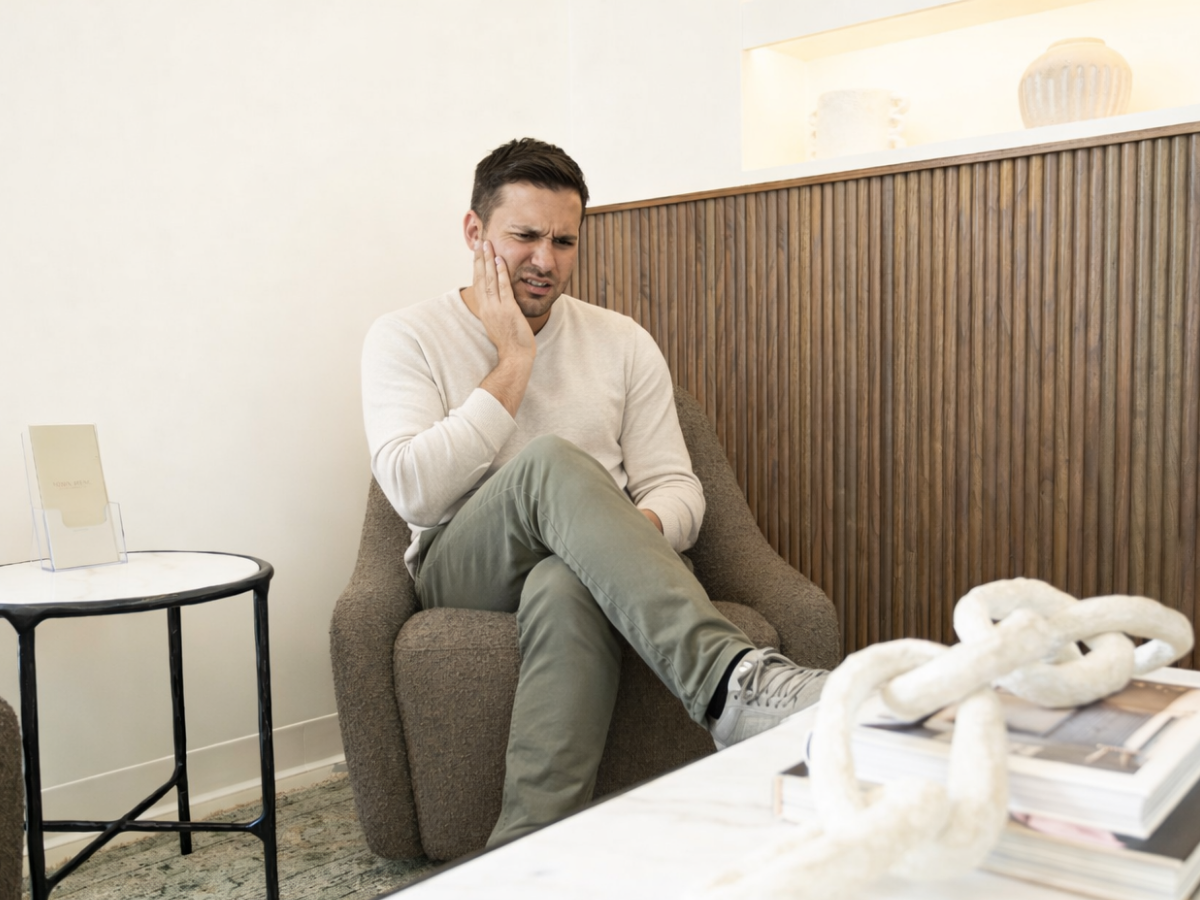
TMJ Jaw Pain Treatment Near Me: A Complete Guide to Relief in Chattanooga, TN
Dr. Zack Youngblood
If you’re searching for tmj jaw pain treatment near me, you’re likely dealing with daily discomfort that affects how you eat, sleep, and even think. TMJ disorders can cause chronic jaw pain, headaches, neck tension, and facial soreness that often gets worse over time without proper treatment.
The good news is that modern dentistry offers real solutions for both temporary relief and long-term correction. If you’re in Chattanooga and looking for lasting relief, this guide will walk you through everything you need to know about TMJ treatment and what actually works.
What Is TMJ Disorder?
TMJ stands for temporomandibular joint — the hinge that connects your jaw to your skull. When this joint becomes inflamed, misaligned, or overworked, it can lead to what is commonly called TMJ disorder.
TMJ problems rarely stay isolated to just the jaw. Because the jaw connects to muscles in your face, neck, and head, TMJ issues often show up as headaches, facial tension, and neck pain.
Many patients search for tmj treatment near me after living with symptoms for months or even years without realizing their bite may be the underlying cause.
Common Signs and Symptoms of TMJ Problems
TMJ disorder can present differently for each person, but certain symptoms appear consistently. You may benefit from evaluation if you notice:
- Jaw clicking or popping
- Migraines or frequent tension headaches
- Neck and shoulder pain
- Teeth grinding or clenching
- Limited ability to open your mouth fully
- Facial muscle soreness or tension
- Pain when chewing
- Jaw soreness upon waking
Chronic headaches and facial tension are often directly connected to TMJ dysfunction and bite imbalance. Patients searching for tmj headache treatment chattanooga tn are often surprised to learn their headaches may actually be originating from the jaw.
What Causes TMJ Jaw Pain?
One of the most misunderstood aspects of TMJ disorder is its cause. While stress and grinding can worsen symptoms, the underlying issue is frequently related to how your teeth come together.
Bite misalignment is one of the most common root causes of chronic TMJ pain. When your bite is off, certain teeth absorb more pressure than they should. This forces the jaw muscles to compensate, creating tension and inflammation in the joint and surrounding muscles.
Over time, this imbalance can lead to:
- Chronic muscle strain
- Joint inflammation
- Uneven tooth wear
- Increased clenching and grinding
- Persistent headaches and facial pain
Addressing bite alignment is often the key to lasting TMJ relief rather than temporary symptom control.
Book My TMJ Consult - Online (Please pick "New Patient Experience" when scheduling)
Book My TMJ Consult - By Phone
TMJ Treatment Options in Chattanooga
If you’ve been searching for tmj jaw pain treatment near me, it’s important to understand that not all treatments are created equal. Some provide temporary relief, while others correct the root cause of the problem.
Botox for TMJ Relief
Botox can be an effective way to reduce muscle tension and relieve jaw pain, headaches, and clenching. It works by relaxing overactive muscles that contribute to TMJ discomfort.
Many patients experience noticeable relief within days. However, Botox is considered a temporary solution. While it can significantly reduce pain and tension, it does not permanently correct bite alignment issues.
Nightguards
Custom nightguards are often recommended to protect teeth from grinding and reduce strain on the jaw. They can help minimize tooth damage and decrease morning jaw soreness.
Nightguards manage symptoms but usually do not fix the underlying alignment problem. They are best viewed as a protective or supportive treatment rather than a permanent solution.
Invisalign for TMJ Treatment
For many patients, misalignment is the primary cause of TMJ pain. Invisalign can gently reposition teeth to create a more balanced bite and reduce stress on the jaw joint.
Correcting the bite addresses the root cause of TMJ symptoms rather than simply masking them. As alignment improves, many patients notice significant reductions in:
- Jaw tension
- Headaches
- Clenching and grinding
- Facial muscle fatigue
- Discomfort when chewing
This makes Invisalign one of the most effective long-term TMJ treatment options for patients seeking real correction rather than short-term relief.
Restorative Treatment for Bite Support
In some cases, worn or damaged back teeth prevent the bite from closing properly. When this happens, restorative treatment such as crowns may be needed to rebuild the correct biting relationship.
Re-establishing proper support on the back teeth can dramatically reduce strain on the TMJ joint and surrounding muscles. This type of treatment is often recommended when structural issues are contributing to pain.
Book My TMJ Consult - Online (Please pick "New Patient Experience" when scheduling)
Book My TMJ Consult - By Phone
A Personalized Approach to TMJ Care
There is no one-size-fits-all solution for TMJ disorder. The most effective treatment depends on your symptoms, bite alignment, and long-term goals.
A comprehensive TMJ evaluation typically looks at:
- Bite alignment and tooth positioning
- Muscle tension and jaw movement
- Signs of grinding or clenching
- Tooth wear and structural support
- Headache and facial pain patterns
The goal is always long-term correction whenever possible, while still offering conservative options for immediate relief. Some patients begin with smaller treatments like Botox or nightguards and later move into comprehensive bite correction when ready.
When to Seek TMJ Treatment
You should consider scheduling an evaluation if you experience:
- Persistent jaw pain or soreness
- Frequent headaches or migraines
- Clicking or locking in the jaw
- Difficulty opening fully
- Chronic clenching or grinding
- Facial or neck tension that won’t resolve
TMJ symptoms rarely resolve on their own and often worsen over time without treatment. Early intervention can prevent long-term joint strain, tooth damage, and chronic pain patterns.
TMJ Headache Treatment in Chattanooga, TN
Chronic headaches are one of the most common reasons patients search for tmj headache treatment chattanooga tn. Many people treat headaches for years without realizing their jaw, muscles, and bite may be contributing to the problem.
TMJ-related headaches often come from muscle strain, clenching, and bite imbalance. When the jaw is under constant tension, it can trigger migraines, facial pressure, and neck pain that feel unrelated to dental issues. By reducing muscle strain and correcting alignment problems, TMJ treatment can significantly decrease headache frequency and intensity.
For patients experiencing severe dental or jaw pain while waiting to be seen, some dentists recommend what is known as the 3-3-3 rule for temporary pain management. This is a short-term strategy used to reduce inflammation and discomfort until professional care can be provided. It involves taking 3 ibuprofen tablets (200 mg each, totaling 600 mg) every 3 hours for up to 3 days, assuming you are medically able to take ibuprofen and have no contraindications.
Finding TMJ Treatment Near You
If you’ve been searching for TMJ treatment near me, the most important step is finding a provider who evaluates both symptoms and bite alignment. Temporary relief options can help, but long-term correction requires a deeper understanding of how your teeth and jaw function together.
A personalized treatment plan can move you from daily discomfort to lasting relief, better sleep, and a more balanced bite. Taking the first step with a professional TMJ evaluation can help you understand what’s causing your pain and which treatments will provide the most meaningful results.
Book My TMJ Consult - Online (Please pick "New Patient Experience" when scheduling)
Book My TMJ Consult - By Phone
Frequently Asked Questions:
1. What are the most common symptoms of TMJ disorder?
The most common TMJ symptoms include jaw clicking or popping, headaches, facial tension, neck pain, teeth grinding, and difficulty opening or closing the mouth. Some patients also experience earaches or migraines without realizing their jaw joint and bite may be contributing to the problem.
2. Can TMJ pain go away on its own?
Mild TMJ discomfort may temporarily improve with rest or reduced stress, but most TMJ problems do not fully resolve on their own. If bite misalignment or chronic clenching is present, symptoms often return or worsen over time without proper treatment.
3. What is the best long-term treatment for TMJ pain?
The best long-term TMJ treatment typically focuses on correcting bite alignment and reducing strain on the jaw joint. While options like Botox or nightguards can provide temporary relief, treatments such as Invisalign or restorative bite correction often address the root cause and provide more lasting results.
4. Does Botox really help TMJ and jaw tension?
Botox can be very effective for reducing muscle tension, clenching, and TMJ-related headaches. It works by relaxing overactive jaw muscles, which can decrease pain and inflammation. However, Botox is considered a temporary solution and may be combined with other treatments for long-term correction.
5. When should I see a dentist for TMJ pain or headaches?
You should schedule an evaluation if you experience ongoing jaw pain, frequent headaches, clenching, limited jaw opening, or facial tension that lasts more than a few weeks. Early evaluation helps prevent worsening symptoms and allows for more conservative, effective treatment options.
