
The Complete Guide to Invisalign in Chattanooga, TN: 25 Questions Every Patient Should Ask
Dr. Zack Youngblood
If you're considering Invisalign, you've probably spent hours searching online and comparing answers from different websites. One article says treatment takes six months, another says two years. One says Invisalign can fix nearly anything, while another says braces are always better.
It can be overwhelming.
At MDRN MUSE Dental Aesthetics, we believe patients deserve clear, honest information before making any decision about their smile. That's why we've put together this guide answering the questions we hear most often during Invisalign consultations.
Whether your goal is to straighten crooked teeth, improve your bite, close spaces, or prepare your smile for cosmetic dentistry, this guide will help you understand what to expect from Invisalign treatment.
Understanding Invisalign
1. What is Invisalign?
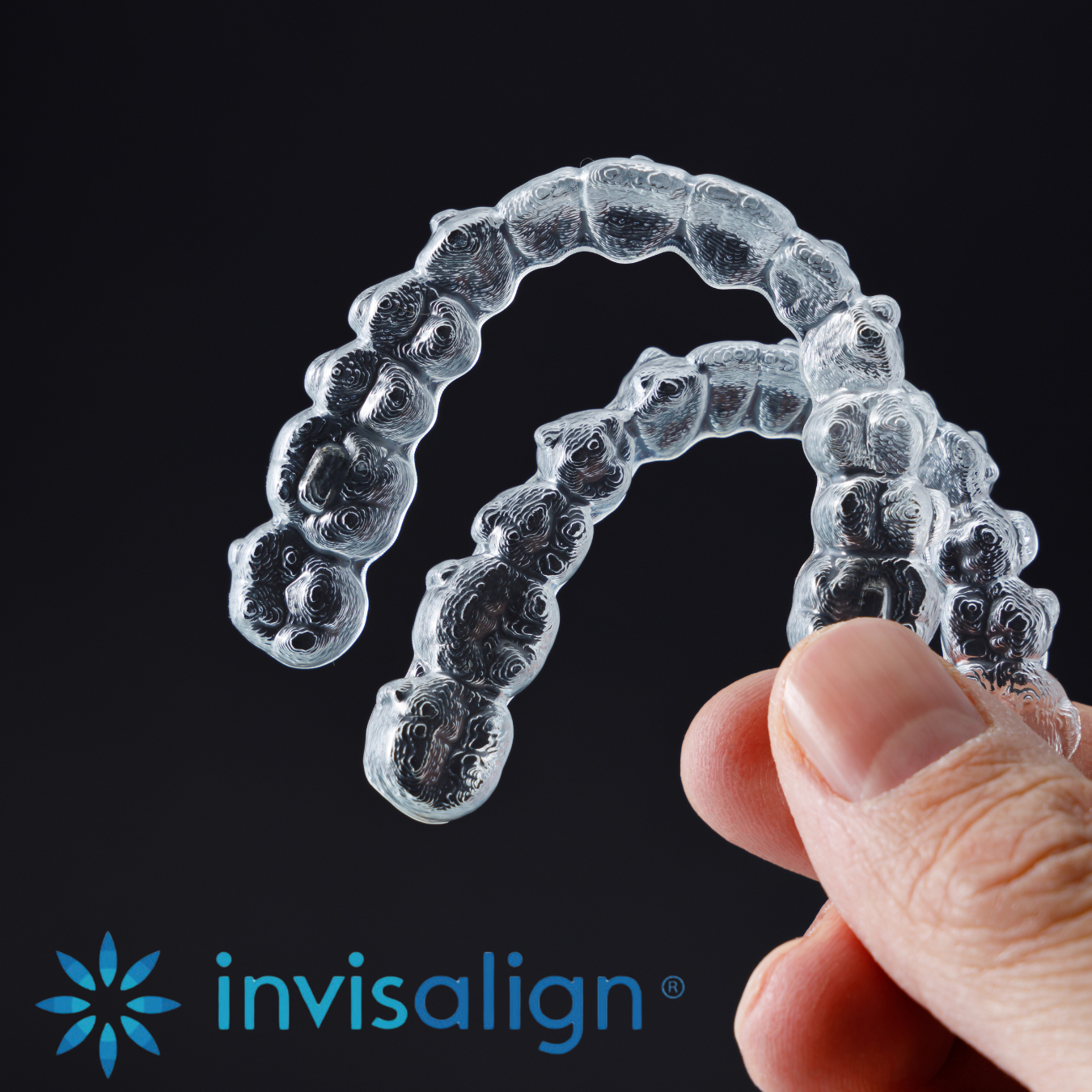
Invisalign is a clear aligner system that gradually moves your teeth into healthier, more attractive positions without using traditional metal braces. Instead of brackets and wires, you'll wear a series of custom-made, removable aligners that are designed specifically for your smile.
Each aligner moves your teeth a small amount until your treatment is complete.
Because the trays are clear, most people won't even notice you're wearing them.
2. How does Invisalign actually move teeth?
Each aligner applies gentle, controlled pressure to specific teeth. As your teeth begin to move, the surrounding bone naturally remodels to support their new positions.
You'll switch to a new set of aligners every one to two weeks, allowing your smile to continue progressing according to your personalized treatment plan.
3. What dental problems can Invisalign fix?
Invisalign can successfully treat many common orthodontic concerns, including:
- Crowded teeth
- Gaps between teeth
- Crossbites
- Open bites
- Deep bites
- Mild to moderate overbites
- Mild underbites
- Teeth that have shifted after previous braces
Every smile is different, so the best way to determine whether Invisalign is right for you is through a comprehensive evaluation.
4. Who is a good candidate for Invisalign?
Most healthy teens and adults are excellent candidates for Invisalign.
If your gums are healthy and your teeth are free from untreated decay, Invisalign may be a great option for improving both your smile and your bite.
Many adults choose Invisalign because they want orthodontic treatment without the appearance of traditional braces.
5. Is Invisalign better than traditional braces?
Neither treatment is universally better. The right choice depends on your specific needs.
For many adults, Invisalign offers several advantages:
- Nearly invisible appearance
- Removable for eating and brushing
- Easier oral hygiene
- No metal brackets or wires
- Greater comfort for many patients
Some complex orthodontic cases may still benefit from traditional braces. During your consultation, we'll recommend the treatment that gives you the best long-term result.
Book Your New Patient Experience - By Phone
Book Your New Patient Experience - Online
Check your in-network status with MDRN MUSE Dental Aesthetics
Starting Invisalign
6. What happens during an Invisalign consultation?
Your consultation begins with a conversation about your goals.
We'll perform a comprehensive examination, take digital X-rays if needed, and capture a comfortable 3D scan of your teeth using our iTero scanner. This allows us to evaluate your bite, identify any underlying concerns, and determine whether Invisalign is the best treatment for your smile.
We'll also discuss your timeline, answer your questions, review costs, and explain financing options.
7. How long does Invisalign treatment take?
Treatment time varies depending on the complexity of your case.
Some patients finish in as little as six months, while more comprehensive treatments may take 12 to 24 months.
The biggest factor affecting treatment time is how consistently you wear your aligners. Invisalign works best when worn 20 to 22 hours each day.
8. How much does Invisalign cost?
The cost of Invisalign depends on the complexity of your treatment.
A minor alignment case typically costs less than a comprehensive bite correction.
At MDRN MUSE Dental Aesthetics, we'll provide a personalized treatment estimate after evaluating your smile so you know exactly what to expect before starting treatment.
9. Does dental insurance cover Invisalign?
Many dental insurance plans include orthodontic benefits that can help reduce the cost of Invisalign treatment.
Coverage varies depending on your plan, but our team will verify your benefits and help you maximize any available coverage before treatment begins.
10. Are payment plans available?
Absolutely.
Many patients prefer to spread treatment into affordable monthly payments rather than paying everything upfront.
Our office offers multiple financing options to help make Invisalign fit comfortably within your budget.
Book Your New Patient Experience - By Phone
Book Your New Patient Experience - Online
Check your in-network status with MDRN MUSE Dental Aesthetics
Living with Invisalign
11. Does Invisalign hurt?
Most patients experience mild pressure when starting a new set of aligners.
This pressure is actually a good sign because it means your teeth are moving.
Any soreness usually improves within a day or two and is generally much more comfortable than the tightening appointments associated with traditional braces.
12. What can I eat and drink while wearing Invisalign?
One of Invisalign's biggest advantages is that you remove your aligners before eating.
That means there are no food restrictions.
Simply remove your trays before meals, enjoy your favorite foods, brush your teeth if possible, and place your aligners back in afterward.
When wearing your aligners, it's best to drink only water. Coffee, tea, soda, sports drinks, and wine can stain the trays or increase the risk of cavities if trapped underneath them.
13. How many hours a day do I need to wear my aligners?
For the best results, Invisalign aligners should be worn 20 to 22 hours every day.
Removing them only for meals, drinks other than water, and brushing gives your teeth the consistent pressure needed to stay on schedule.
14. What happens if I lose an aligner?
Don't panic.
Contact our office as soon as possible.
Depending on where you are in treatment, we may recommend wearing your previous aligner, moving to your next aligner early, or ordering a replacement.
The sooner you contact us, the easier it is to keep your treatment progressing smoothly.
15. How do I clean my Invisalign trays?
Keeping your aligners clean is simple.
Rinse them whenever you remove them and gently brush them using a soft toothbrush and clear, unscented soap.
Avoid using hot water, which can warp the plastic.
Consistent cleaning helps prevent odors, staining, and bacteria buildup.
Book Your New Patient Experience - By Phone
Book Your New Patient Experience - Online
Check your in-network status with MDRN MUSE Dental Aesthetics
Invisalign Results
16. When will I start noticing results?
Many patients begin seeing small improvements within the first several weeks.
More noticeable changes often become visible after a few months, although every case progresses differently.
Remember, Invisalign is designed to move teeth gradually and safely, not overnight.
17. Will Invisalign change my face or smile?
Invisalign can absolutely improve your smile by creating better tooth alignment, improving symmetry, and enhancing the overall balance of your smile.
Some patients also notice subtle improvements in facial appearance because correcting bite issues can provide better support for the lips and smile.
The goal isn't to change who you are. It's to help your natural smile look its best.
18. Can Invisalign fix my bite?
Yes.
In addition to straightening teeth, Invisalign is commonly used to improve bite problems such as open bites, crossbites, deep bites, and certain overbites.
Improving your bite isn't just about appearance. It can also help reduce uneven tooth wear, improve chewing efficiency, and create a healthier foundation for your long-term oral health.
19. Will I need a retainer after Invisalign?
Yes.
Without a retainer, teeth naturally tend to shift over time.
Wearing retainers as recommended helps protect the investment you've made in your smile and keeps your results looking beautiful for years to come.
20. How long do Invisalign results last?
With consistent retainer wear and regular dental care, Invisalign results can last for decades.
The treatment may end, but maintaining your smile is a lifelong commitment.
Book Your New Patient Experience - By Phone
Book Your New Patient Experience - Online
Check your in-network status with MDRN MUSE Dental Aesthetics
Cosmetic Dentistry & Invisalign
21. Can Invisalign be combined with veneers?
Absolutely.
In many smile makeover cases, Invisalign is completed before veneers.
By placing your teeth into healthier, more ideal positions first, we can often create a more conservative veneer treatment that preserves more of your natural tooth structure while achieving a beautiful result.
22. Should I whiten my teeth before or after Invisalign?
For most patients, whitening is best completed after Invisalign treatment.
Once your teeth have reached their final positions, whitening creates a more even result across your entire smile.
If cosmetic treatments like veneers are also planned, we'll help determine the ideal sequence for your treatment.
23. Can Invisalign help prepare my smile for cosmetic dentistry?
Yes.
Invisalign often creates the ideal foundation for cosmetic dentistry.
Proper alignment allows veneers, crowns, bonding, and other cosmetic treatments to be more conservative, more predictable, and more natural-looking.
Sometimes a few months of Invisalign can reduce the amount of cosmetic dentistry needed altogether.
24. When is Invisalign not the right treatment?
Although Invisalign is incredibly versatile, it isn't the best solution for every patient.
Some complex orthodontic cases may require traditional braces, while patients with active gum disease or untreated tooth decay should address those issues before beginning orthodontic treatment.
Our goal is always to recommend the treatment that provides the healthiest and most predictable long-term outcome.
25. Why does bite alignment matter, even if my teeth already look straight?
This is one of the most important questions we discuss with patients.
Straight teeth don't always mean a healthy bite.
When your bite doesn't fit together properly, certain teeth may experience excessive force during chewing. Over time, this can contribute to uneven wear, chipping, cracked teeth, jaw discomfort, and even the premature failure of crowns or veneers.
At MDRN MUSE Dental Aesthetics, we don't view Invisalign as simply a cosmetic treatment. We see it as an opportunity to improve the function, health, and longevity of your smile while creating beautiful aesthetics at the same time.
Ready to Find Out if Invisalign Is Right for You?
Every smile tells a different story, and every Invisalign treatment plan should be just as unique.
Whether you're interested in correcting crowding, improving your bite, closing spaces, or preparing for a complete smile makeover, our team is here to help you understand your options and build a treatment plan around your goals.
If you're looking for an Invisalign provider in Chattanooga, TN, we'd love to meet you. Schedule your consultation with MDRN MUSE Dental Aesthetics and discover how Invisalign can help you achieve a healthier, more confident smile.
Book Your New Patient Experience - By Phone
Book Your New Patient Experience - Online
Check your in-network status with MDRN MUSE Dental Aesthetics
